
FROM INSIGHT TO IMPLEMENTATION
With a fluid, lean approach to service design, I work collaboratively in an Agile environment, using AI where it adds value throughout the design process.
My approach combines research, experimentation and continuous improvement to create services that work for both people and organisations. I bring users, stakeholders and multidisciplinary teams together to explore problems, challenge assumptions and develop solutions grounded in real needs.
By working closely with researchers, designers, developers, operational teams and decision-makers, I connect the customer experience with the processes, people and systems required to deliver it. I use service journeys, blueprints and prototypes to make ideas tangible, test assumptions early and identify opportunities for improvement.
My process is adaptable, collaborative and tailored to the needs of each project. By balancing user needs, organisational objectives and operational constraints, I aim to create services that are desirable, feasible and viable, delivering meaningful experiences while supporting long-term business goals.
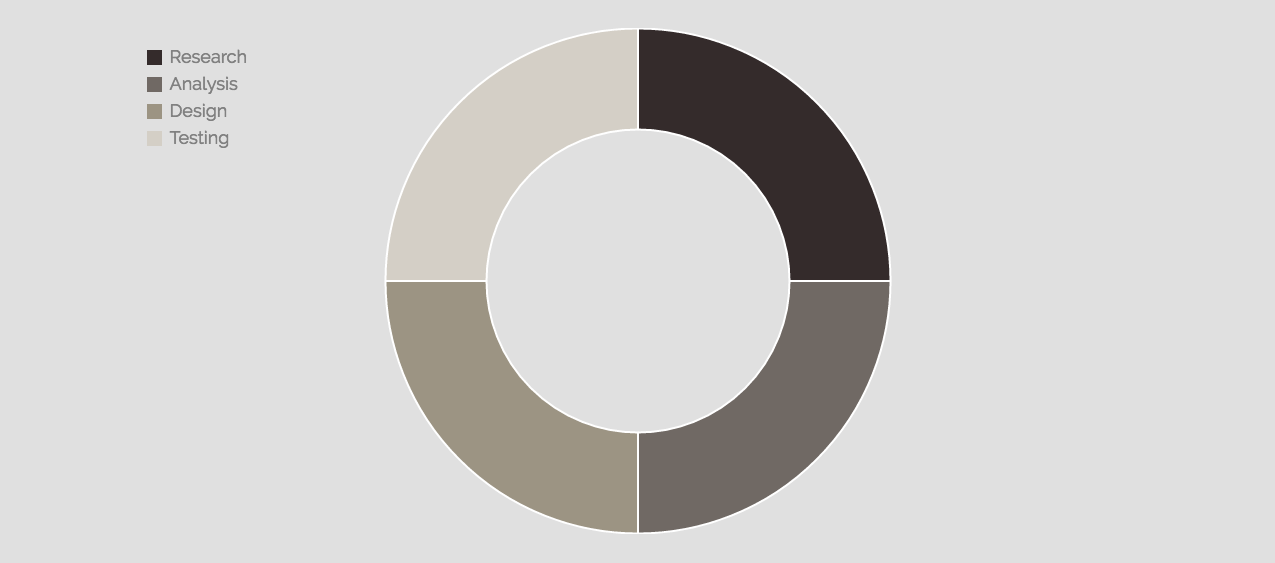
Below, I outline the key methods I use throughout the service design lifecycle, from initial research and analysis through to prototyping, testing and implementation.
RESEARCH
Stakeholder Interviews
I begin by understanding the organisation, its objectives and the people responsible for delivering the service. Through stakeholder interviews, I explore business goals, operational processes, technical constraints, policies, performance metrics and existing challenges. I also look for differences in perspective between departments, uncovering dependencies and potential blockers. This helps establish an initial hypothesis and identify where further research is needed.
User Research
Understanding people's needs is at the heart of service design. I use interviews, contextual research, field studies, observation and diary studies to understand how people interact with a service in their everyday lives. I explore their behaviours, expectations, motivations and frustrations, paying particular attention to workarounds and unmet needs. Where appropriate, I also involve frontline staff to understand the challenges of delivering the service.
Service Safaris
I experience services first-hand, moving through the same steps as a customer to identify friction, inconsistencies and opportunities for improvement. This might involve visiting a physical location, using a digital service, contacting a support team or navigating multiple channels. Experiencing the service directly helps me understand the reality behind the intended experience.
Service Ecosystem Research
I map the wider ecosystem surrounding a service, identifying the people, organisations, systems, policies and processes that influence how it operates. By understanding these relationships, I can uncover dependencies, gaps in ownership and opportunities to improve how different parts of the service work together.
Benchmarking and Comparative Analysis
I examine comparable services to understand how they approach common challenges, identifying effective practices and opportunities for differentiation. I look beyond visual design to consider accessibility, trust, consistency, operational efficiency and the quality of the end-to-end experience.
ANALYSIS
Research Synthesis
Once research is complete, I organise findings into themes, identify recurring patterns and distinguish observed behaviours from assumptions. I use affinity mapping, insight statements and prioritisation exercises to turn research into actionable opportunities. This helps establish a shared understanding of the problem and ensures design decisions are grounded in evidence.
User Needs and Personas
I define the needs, motivations and behaviours of the people using or delivering the service. Where useful, I develop evidence-based personas or behavioural archetypes to represent distinct needs and circumstances. These help teams consider different perspectives without losing sight of the diversity of real people.
Customer Journey Mapping
I map the end-to-end customer journey, documenting the stages people move through, their actions, expectations, emotions and interactions with the service. I include digital and physical touchpoints, communication channels, handovers and moments of uncertainty. This helps reveal pain points, disconnected experiences and opportunities to make the journey simpler and more consistent.
Service Ecosystem Mapping
I visualise the relationships between users, employees, departments, external partners and supporting systems. This helps me understand how the wider service operates, where responsibilities overlap or fall through the gaps, and which relationships need to change to improve the experience.
Service Blueprinting
I create service blueprints to connect the customer journey with the operational processes that support it. By mapping customer actions, frontstage interactions, backstage activities, supporting systems and dependencies, I can identify the root causes of service problems and understand what needs to change behind the scenes to deliver a better experience.
Opportunity Mapping and Prioritisation
I translate research findings into clearly defined opportunities for improvement. I work with users and stakeholders to prioritise these based on customer value, organisational impact, feasibility and risk. This ensures the team focuses on addressing meaningful problems rather than jumping straight to solutions.
DESIGN
Co-design Workshops
I bring users, frontline staff and stakeholders together to explore opportunities and develop solutions collaboratively. Through facilitated workshops, idea generation and structured activities, I encourage different perspectives and build shared ownership of the design. This helps ensure proposed solutions are desirable for users and grounded in the realities of service delivery.
Future-state Journey Mapping
I create future-state journey maps to communicate how the service could work once improvements have been introduced. These maps help teams align around the intended experience, highlighting how interactions, channels, communications and handovers should work together across the entire journey.
Service Concepts and Scenarios
I develop service concepts that describe how a proposed service will operate, who it serves and what value it creates. Using scenarios and storyboards, I explore how people might interact with the service in different circumstances, including exceptions and situations where things do not go as planned.
Future-state Service Blueprinting
I translate service concepts into operational blueprints that show what needs to happen across the organisation to deliver the intended experience. This includes defining staff responsibilities, processes, systems, policies, data flows and dependencies. The blueprint helps identify operational gaps early and provides a shared reference for design, delivery and implementation teams.
Prototyping and Experimentation
I create prototypes at different levels of fidelity to explore and test service concepts before committing to full implementation. These might include paper prototypes, clickable interfaces, role-play, simulated service interactions or small-scale pilots. I use these experiments to challenge assumptions, gather feedback and refine both the visible experience and the processes that support it.
TESTING AND DELIVERY
Test Plans and Hypotheses
I establish clear testing objectives, research questions and hypotheses before evaluating a proposed service. I define what needs to be learned, who should participate and which methods are most appropriate. This helps ensure testing is focused on reducing uncertainty and informing decisions.
Experience Testing
I test service concepts with the people who will use and deliver them. Through interviews, scenario walkthroughs, usability testing, role-play and service simulations, I assess how well the proposed experience meets user needs. I pay attention to confusion, accessibility barriers, emotional responses, operational challenges and unexpected behaviours.
Evaluation and Iteration
I synthesise feedback and test results into actionable findings, identifying what works, what needs improvement and which assumptions remain unproven. I communicate the results clearly to stakeholders and use the evidence to refine the service concept, journey maps and blueprints through iterative design.
Implementation Planning
I work with delivery teams and stakeholders to turn the proposed service into an actionable implementation plan. This includes identifying dependencies, responsibilities, required capabilities, risks and opportunities for phased delivery. I use service blueprints and roadmaps to communicate the changes needed across teams, systems and processes.
Measuring Service Performance
I define measures that help evaluate whether the redesigned service delivers meaningful improvements. Depending on the service, these might include customer satisfaction, task completion, service accessibility, resolution times, operational costs, staff experience and service outcomes. I use these measures alongside qualitative feedback to identify opportunities for continuous improvement.
Continuous Improvement
Service design continues beyond launch. I use ongoing research, performance data and feedback from customers and frontline staff to understand how the service performs in practice. By reviewing outcomes and identifying emerging needs, I help teams adapt the service over time and ensure it continues to deliver value for both people and the organisation.